
TariffsChart Blog
TariffsChart Blog
Guides for tariff estimation, landed-cost planning, HS code workflows, and cross-border margin decisions.
Do Tariffs Cause Inflation? Who Pays and How Prices Change
How tariff costs reach consumers, what the October 2026 New York Fed research estimates, and why a duty rate is not a retail inflation rate.
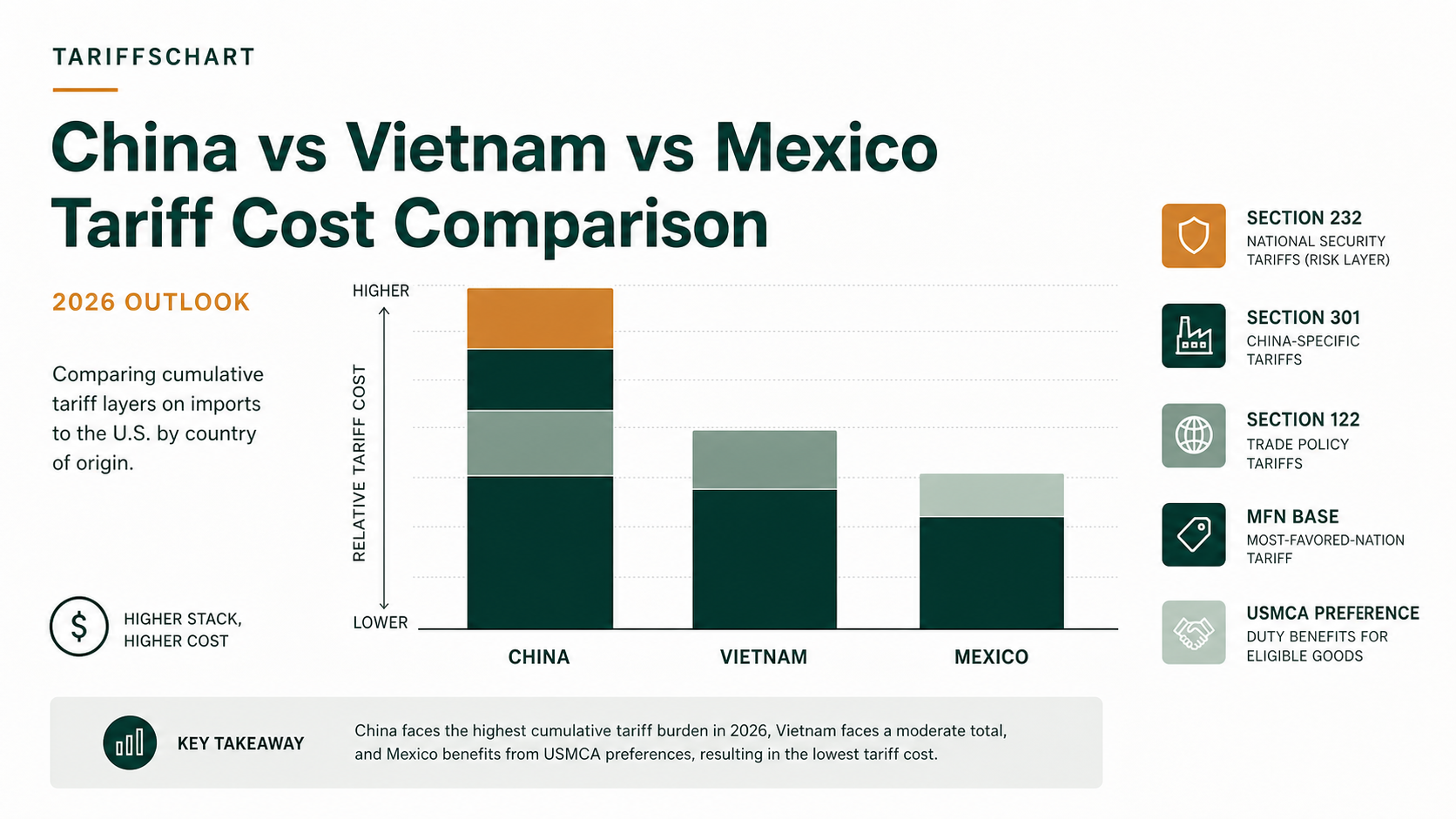
China vs Vietnam vs Mexico: Real 2026 Tariff Cost Comparison
Same product, three origins, very different duty stacks. Compare China, Vietnam, and Mexico tariff exposure with Section 301, USMCA, Section 232, and origin-compliance traps.
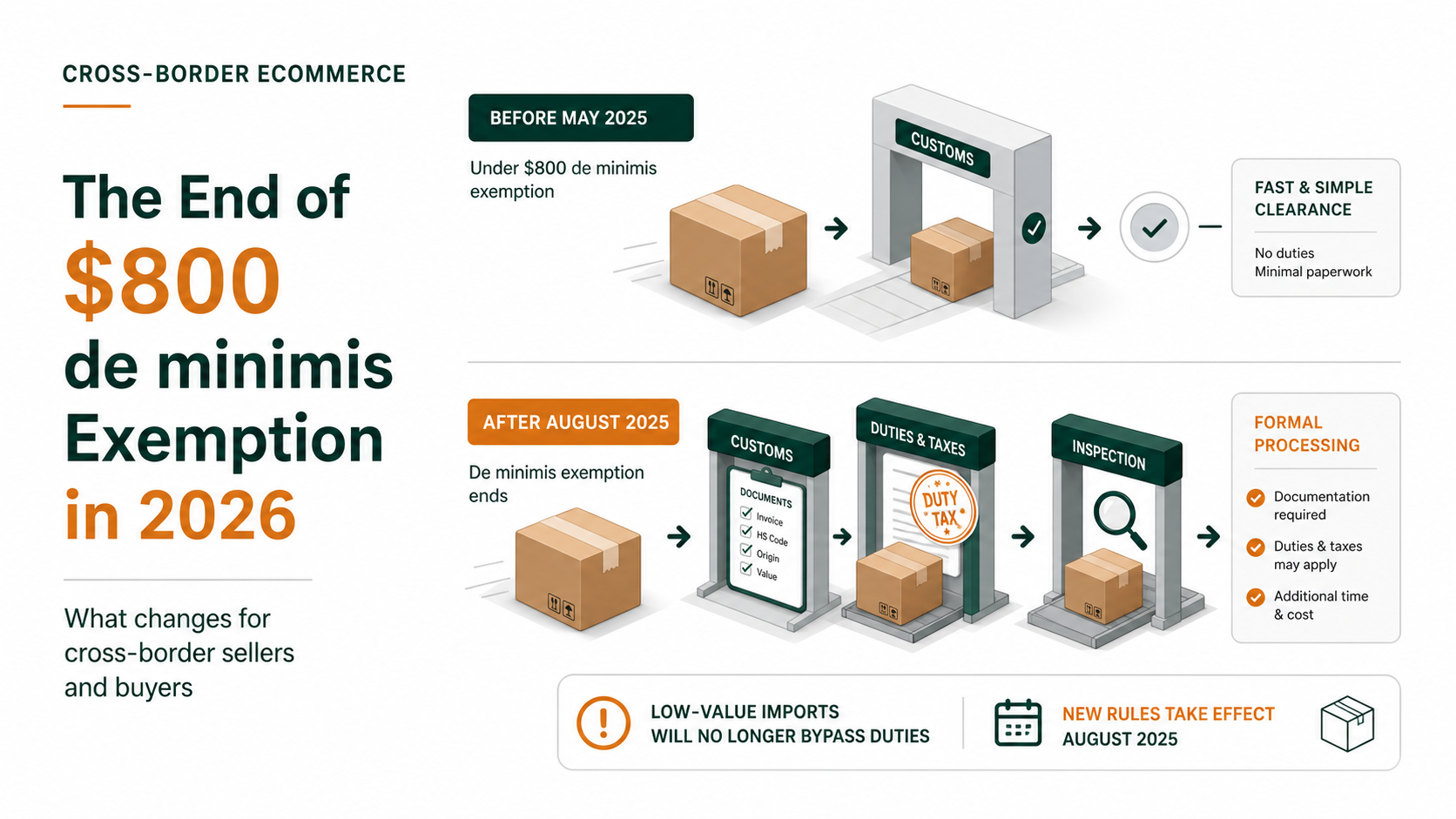
The $800 De Minimis Exemption Is Gone: 2026 Importer & Seller Guide
The US de minimis fast lane changed materially in 2025-2026. See what cross-border sellers should model now: postal vs commercial, China vs other origins, and realistic next steps.
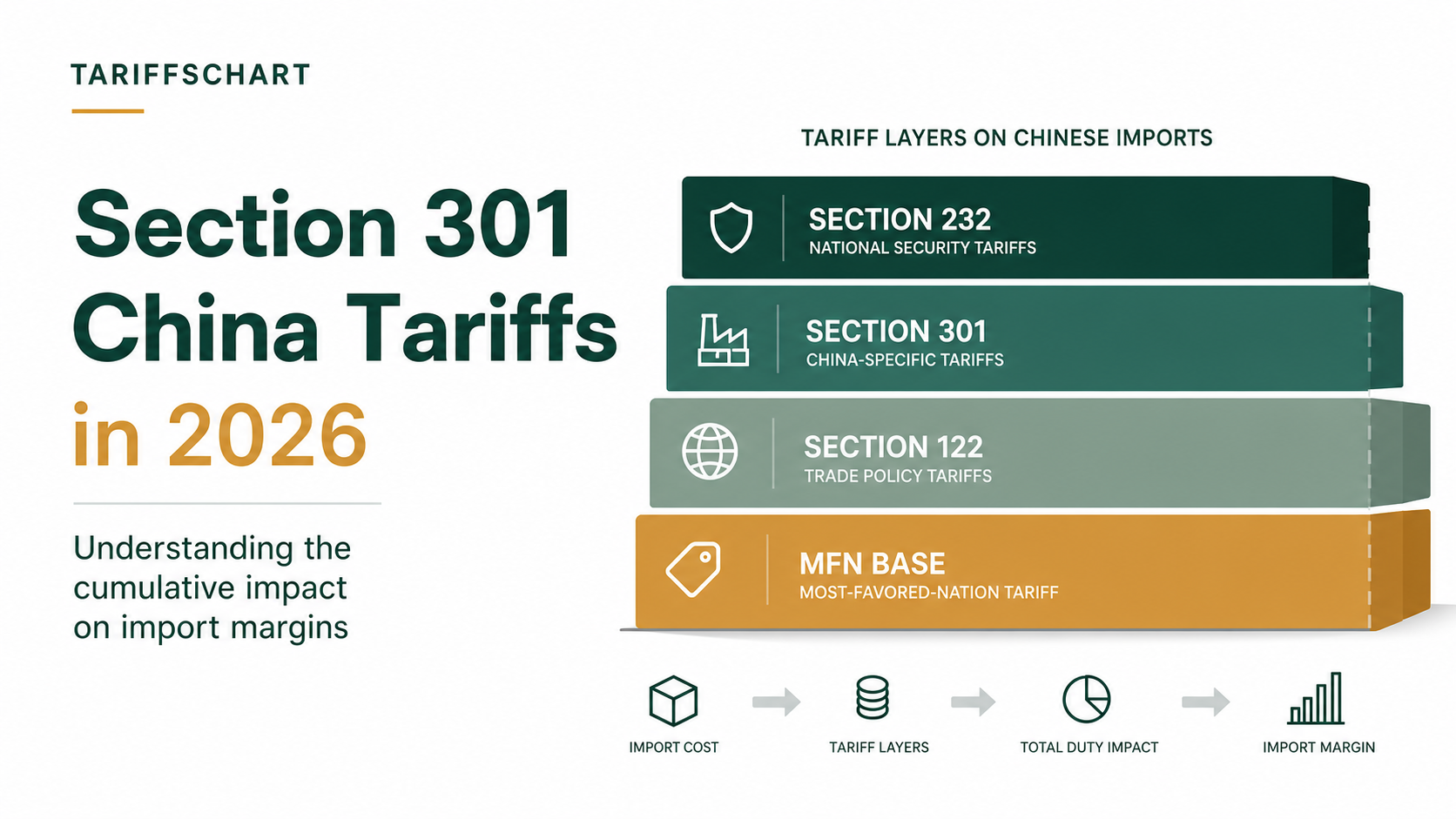
Section 301 China Tariffs 2026: How Much of Your Margin Disappears
Section 301 China tariffs remain a live cost layer in 2026. See current rate bands, strategic-category increases, margin math, exclusions, and broker-review steps.
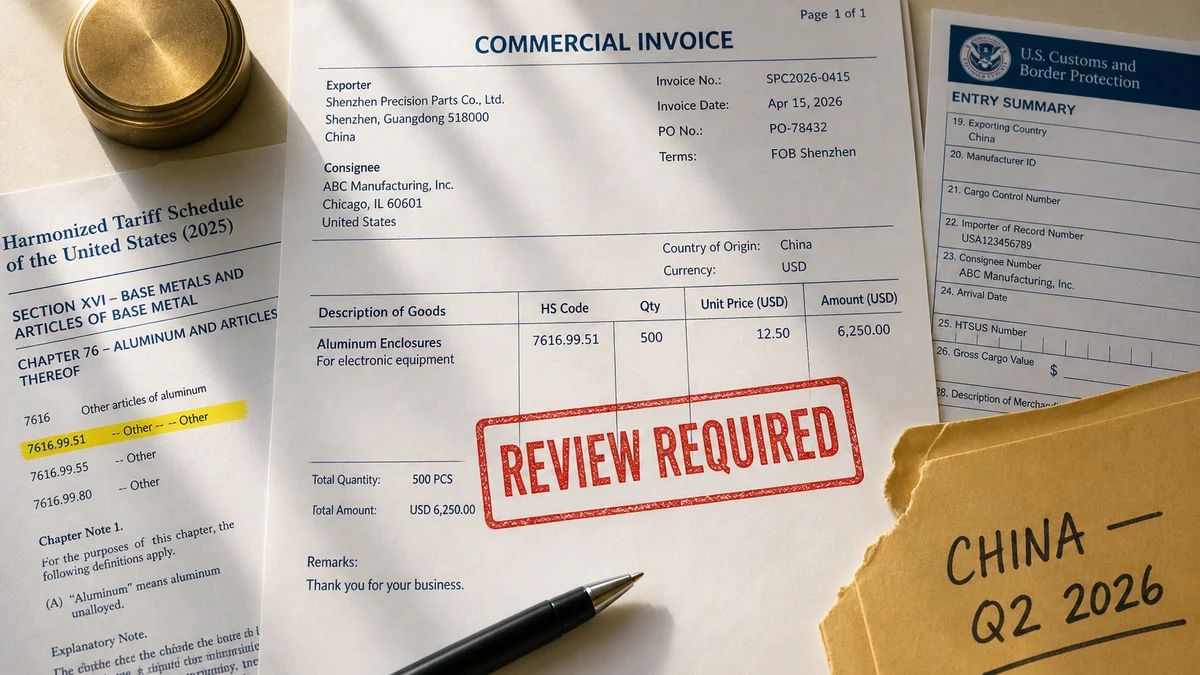
China to US Tariff Checklist 2026: 6 Sources Every Importer Should Check Before Filing Entry
A field-tested checklist for verifying China import tariffs in 2026 — covering USITC HTS, CBP CROSS, Section 301 lists, Chapter 99, AD/CVD, and quotas. With real ruling numbers and the $54M classification mistake every importer should know.

Section 301 China Tariffs 2026: Rates, Exclusions & HTS
Check 2026 Section 301 rates from 7.5% to 100%, active exclusion dates, Chapter 99 codes, margin impact, and the importer review checklist.
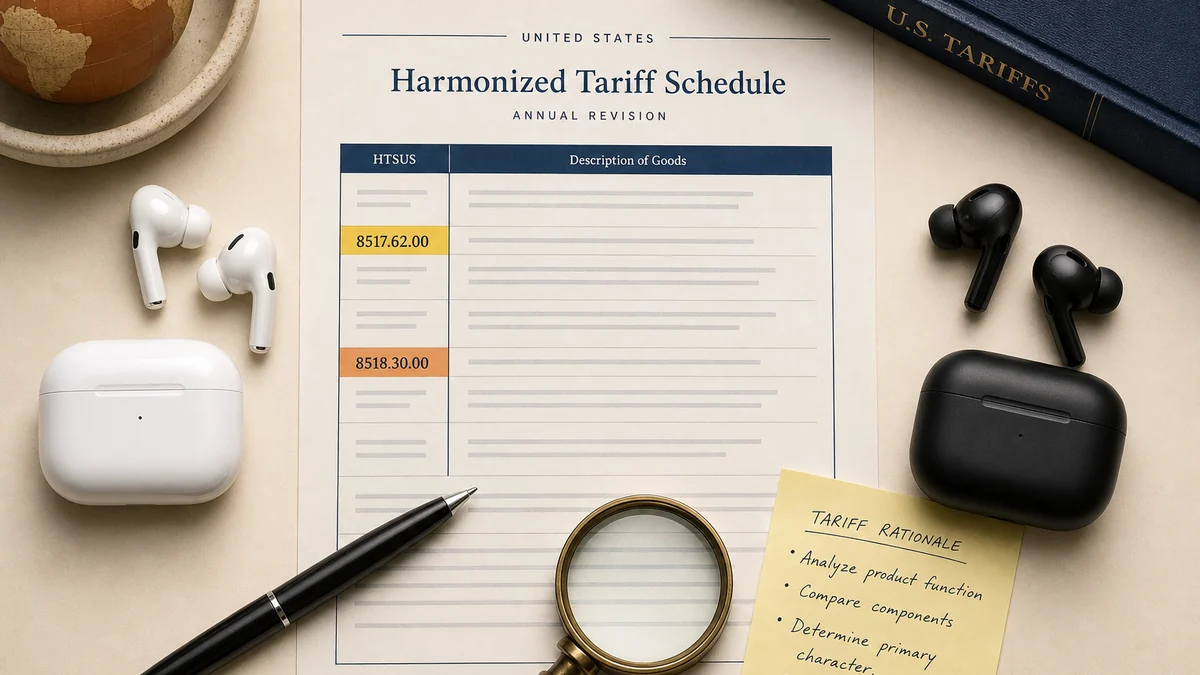
HTS Code Lookup Guide: How a Real Classification Decision Gets Made
A walkthrough of an actual HTS classification decision — Bluetooth earbuds at 8518.30.2000 vs 8517.62.0090 — using USITC HTS, the General Rules of Interpretation, and CBP CROSS rulings. With the source trail importers should preserve.

Landed Cost in 2026: Why FOB and CIF Lead to Different Numbers — and Which One CBP Cares About
FOB, CIF, and EXW each move different costs around. CBP only cares about transaction value. Here's the actual math, with a worked $5,000 LED import scenario, MPF/HMF in 2026, and the first-sale shortcut serious importers are using.

Broker-Ready Tariff Packet: A Customs Broker's Anatomy of a Defensible Import File
Walk through what a real broker-ready import file contains — classification reasoning, valuation backup, Section 301 layer evidence, and the open-questions list. With a side-by-side of a spreadsheet that fails review and one that holds up.

What Is TariffsChart? A Free Import Duty Calculator and Tariff Research Site
TariffsChart helps importers and cross-border sellers compare tariff rates by country, look up HS/HTS codes, estimate landed cost, and track current US tariff policy with source links.